
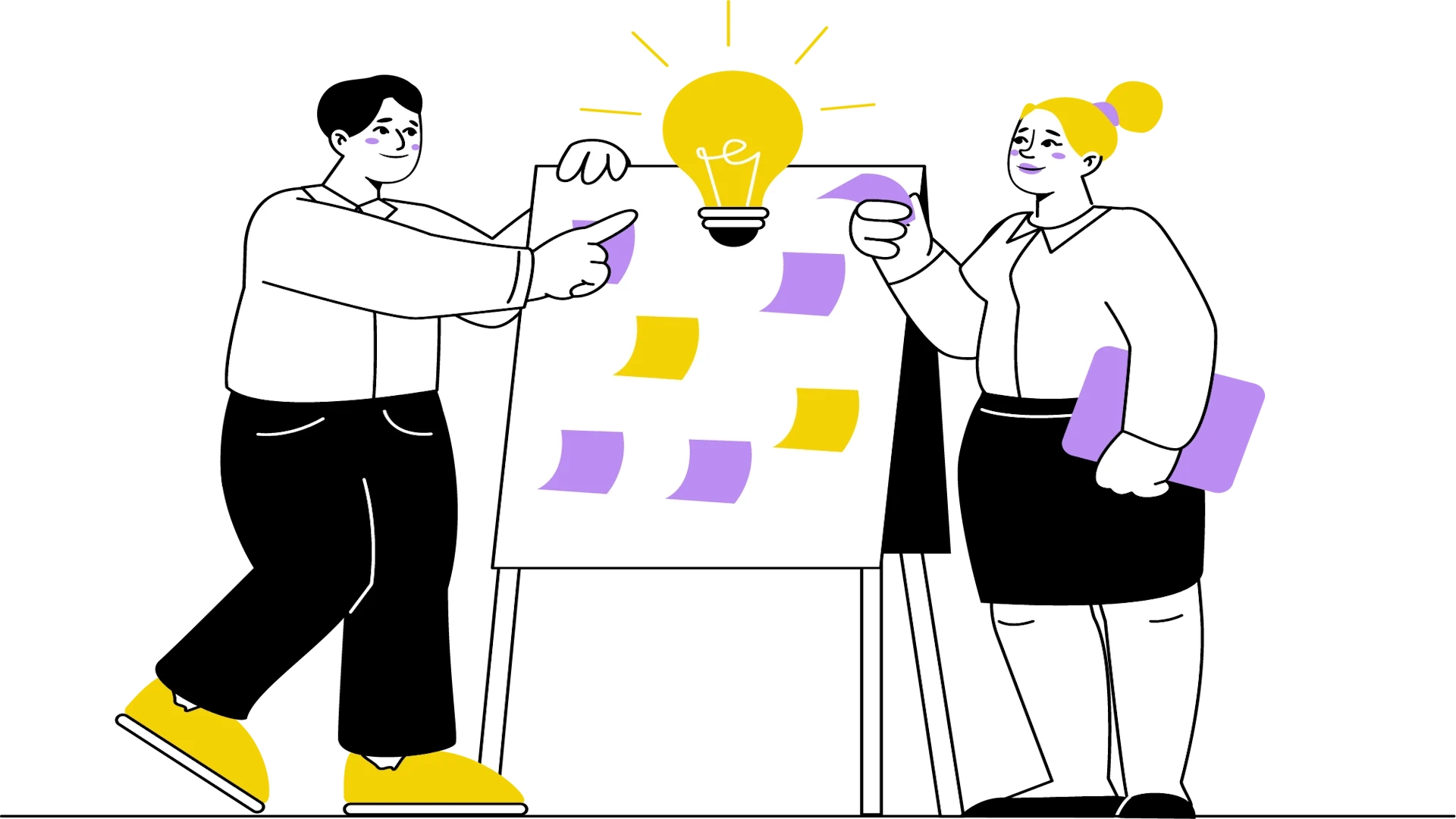
C4SUS drives innovation by both creating and relaying it across sectors. Innovation begins when a problem or gap is identified. An idea forms, gets tested, refined, and, if successful, is developed into a real-world solution. True innovation isn’t random—it’s a structured, deliberate process.
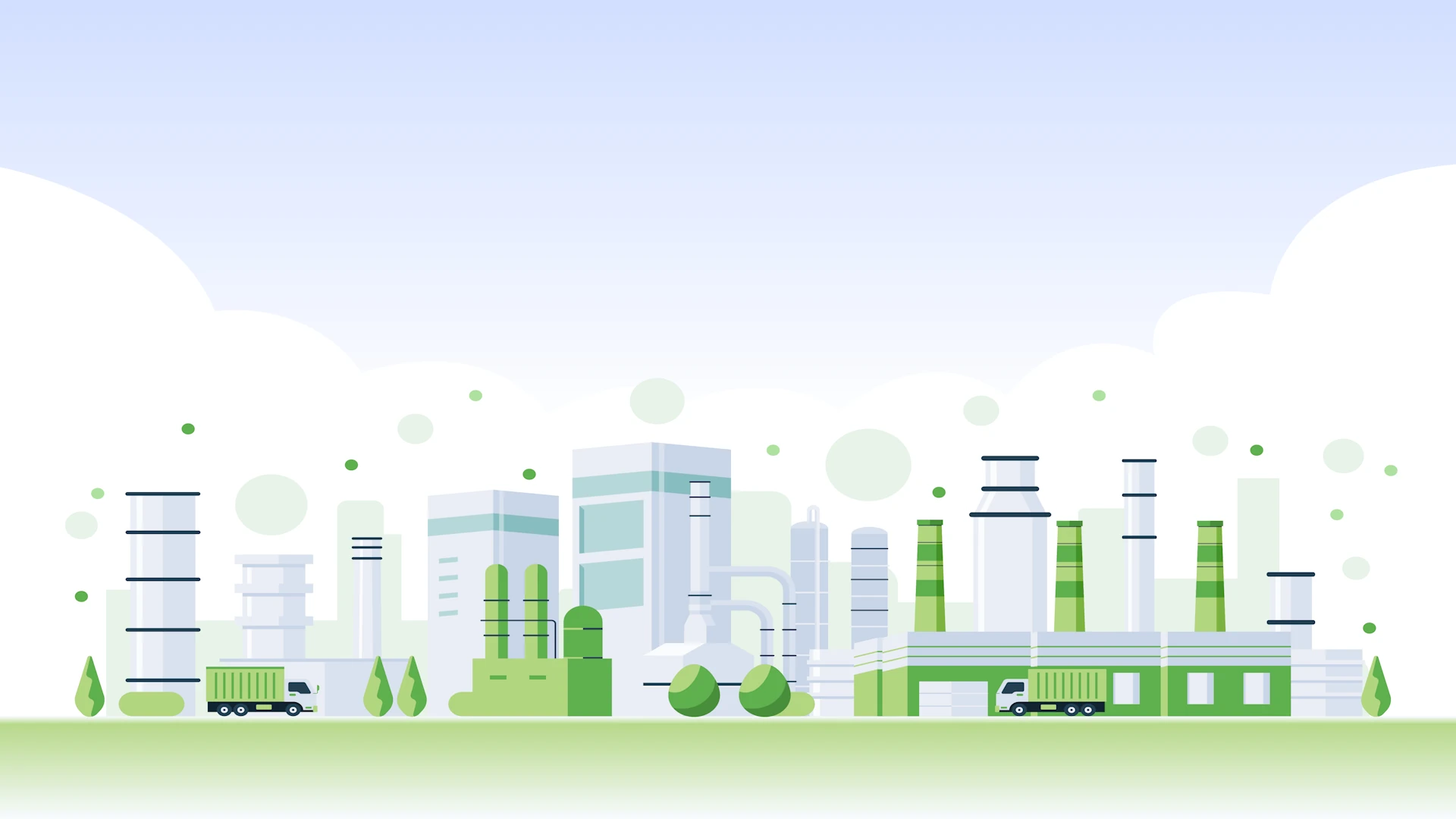
C4SUS promotes an economy where nature powers progress plastics from plants, energy from waste, and renewable chemicals. This bio-based economy (BBE) supports jobs, reduces emissions, and builds resilience. It uses renewable biological resources (crops, algae, waste) to produce energy, materials, chemicals, and food, replacing fossil fuels with sustainable alternatives. The BBE cuts carbon emissions, boosts rural economies, supports circular economy, and reduces fossil fuel dependence.Through innovation and collaboration, C4SUS drives a cleaner, resilient bio-based future.
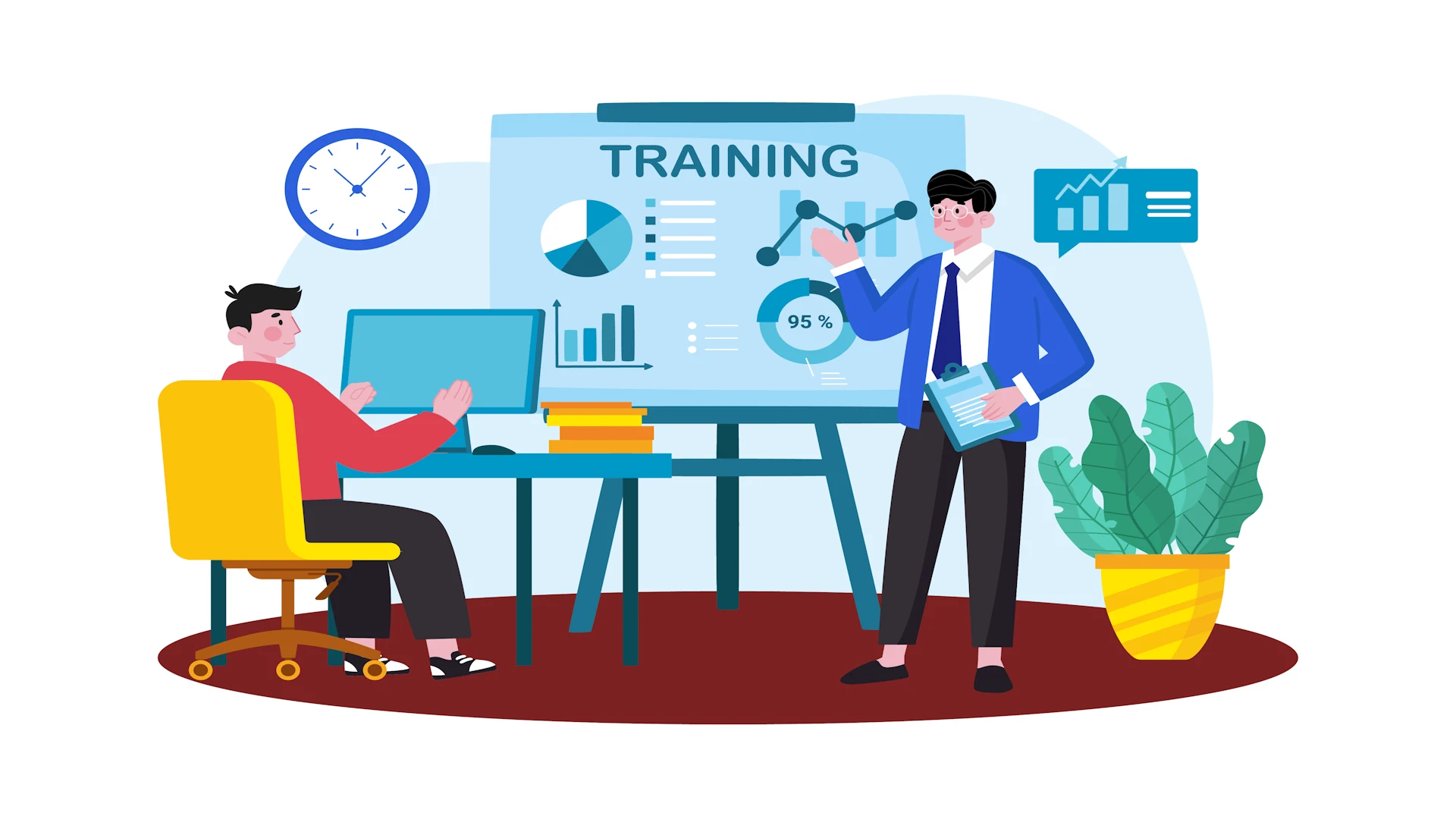
Capacity development is a key process in sustainable growth. It refers to building the skills, systems, and structures that help individuals, organizations, and societies perform better. Rather than offering quick fixes, capacity development focuses on long-term improvement. In both rural and urban settings, many challenges can’t be solved with funding or equipment alone. People and institutions need the knowledge and ability to use resources effectively. That’s where capacity development comes in — it creates the foundation for resilient, self sufficient communities.
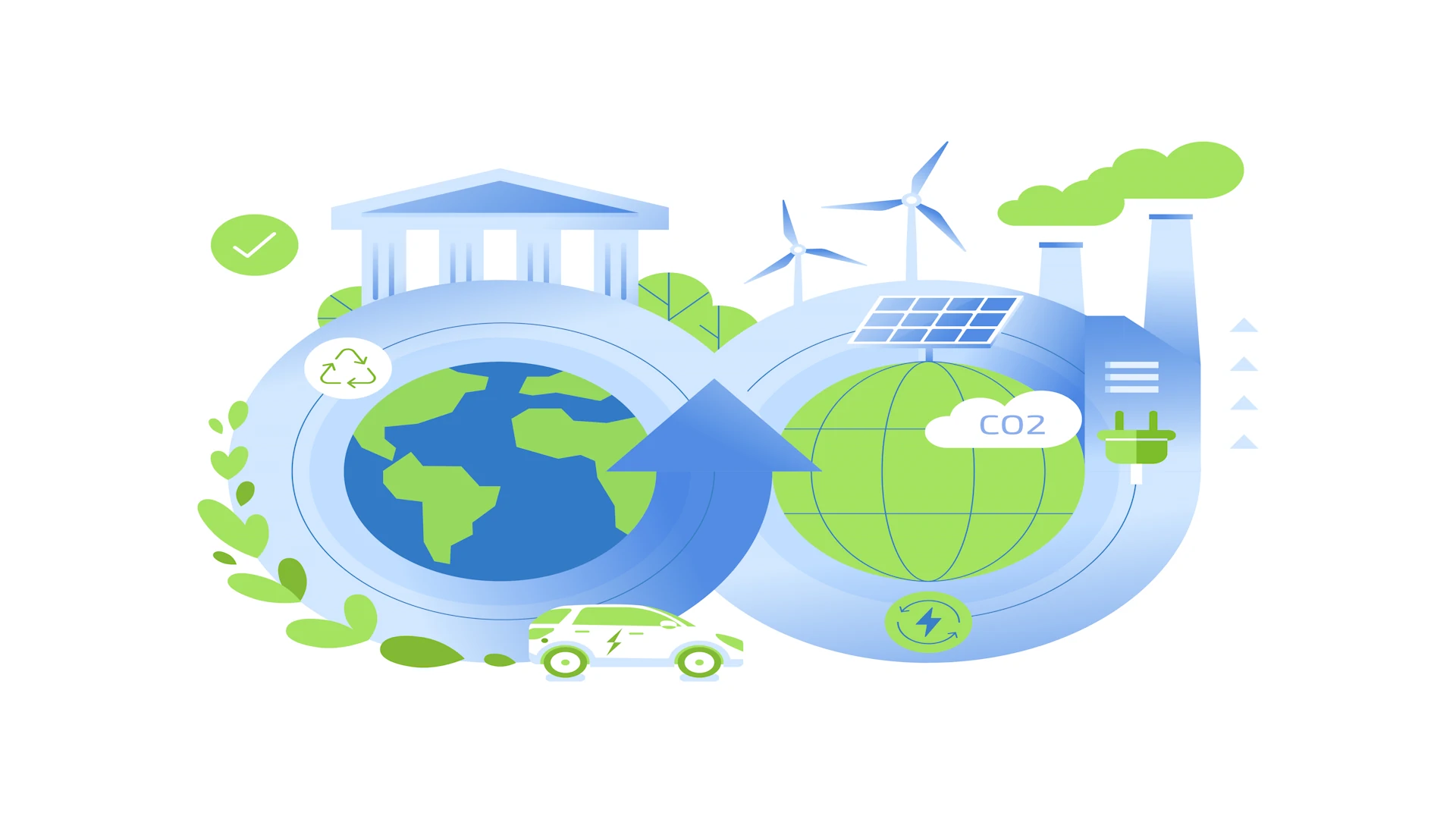
Sustainable business development means growing a business in a way that balances profit, people, and the planet. It focuses on long-term success by using resources responsibly, respecting social values, and minimizing environmental impact — all while staying economically viable. As sustainability becomes a business imperative rather than a nice-to-have, companies are integrating environmental, social, and governance (ESG) goals directly into their growth strategies. Key trends today for sustainable business development are circular business models, green innovation, decarbonization, carbon trading and ESG metrics.
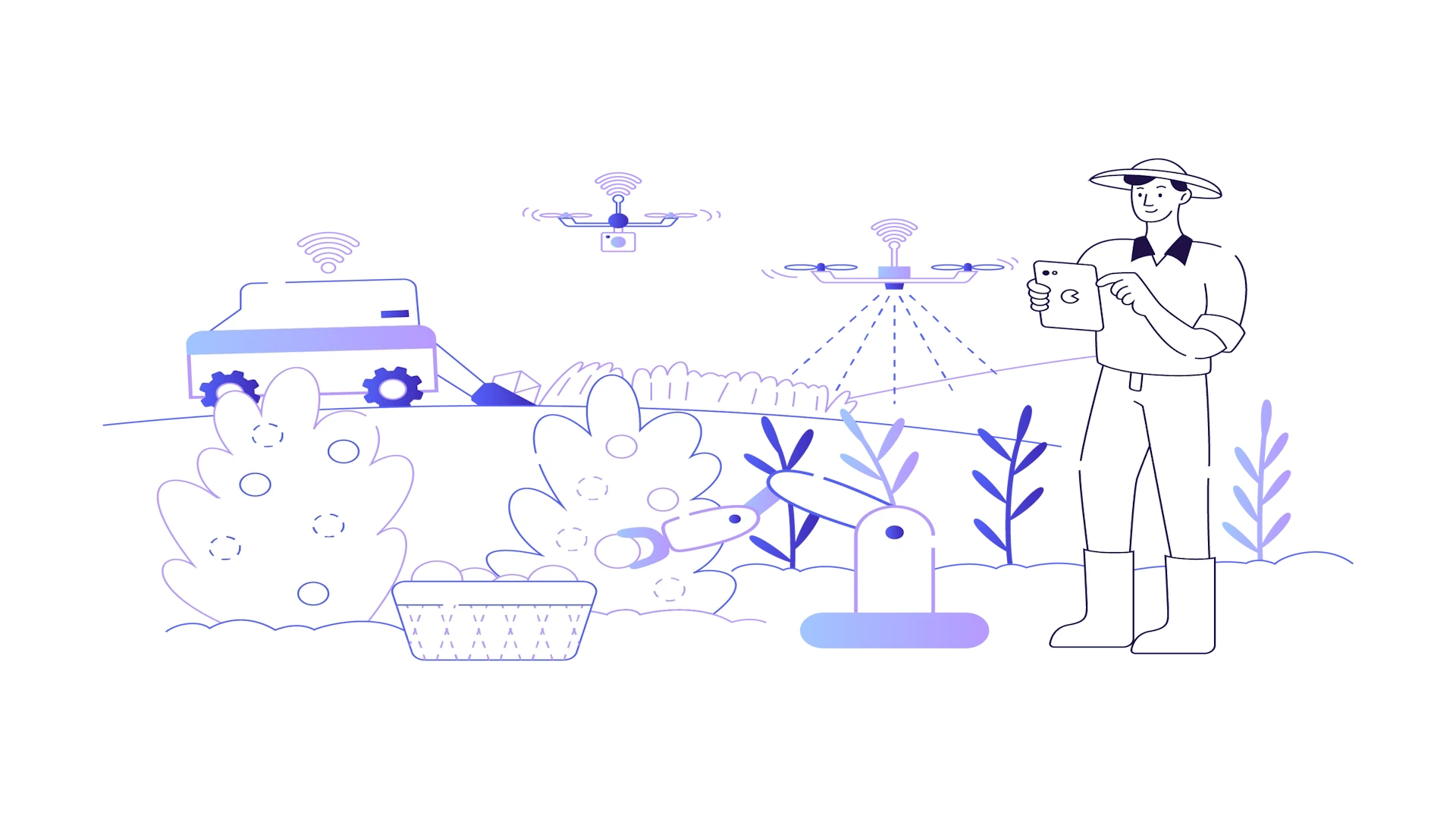
Digital technologies—like internet access, mobile connectivity, and e-commerce are transforming rural areas by improving infrastructure, education, healthcare, and economic opportunities. They help bridge the urban-rural divide by providing rural communities with access to resources typically found in cities. Digital tools enable rural businesses, especially farmers and artisans, to reach global markets through platforms like Amazon and Etsy, boosting income and growth. They also improve access to international trade and partnerships. Technologies like precision farming, drones, and mobile apps help farmers optimize resources, increase yields, and make informed decisions.

Sustainable finance refers to financial services that integrate environmental, social, and governance (ESG) criteria into decision-making processes. It focuses on investments that not only generate financial returns but also contribute positively to sustainable development. The goal is to promote economic growth while ensuring social equity and environmental protection. Sustainable finance plays a pivotal role in addressing global challenges like climate change, inequality, and resource depletion.The future of sustainable finance looks promising, with increasing recognition of its importance in addressing climate change, social inequalities, and global sustainability goals.