

As climate change tightens its grip, water scarcity is fast becoming one of the world’s toughest challenges. What if the answer lies in the sea that surrounds us? Desalination — the process of turning salt water into fresh — promises just that: a way to secure water when rain and rivers fail.
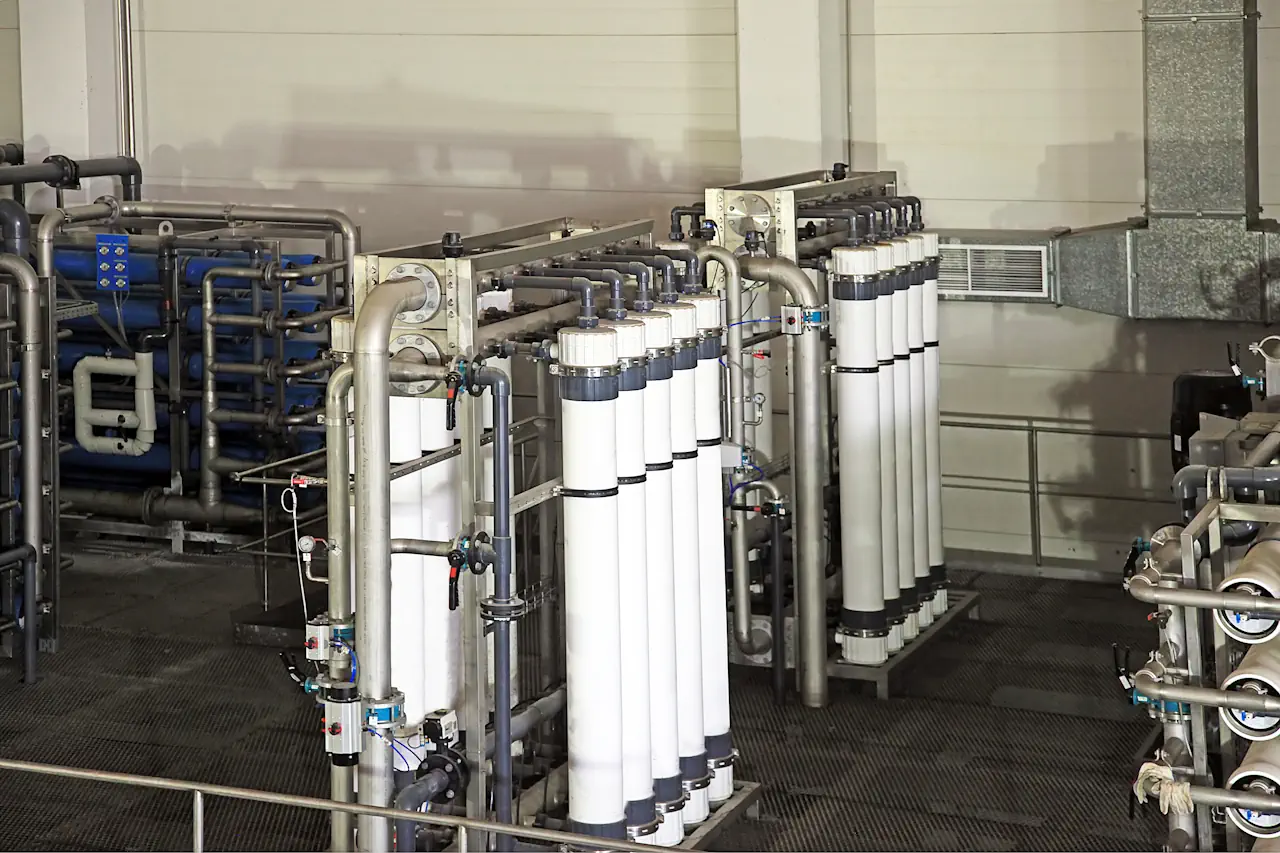
Across the planet, over 20,000 desalination plants already produce billions of liters of freshwater daily. The technology, mostly based on reverse osmosis, forces seawater through fine membranes to remove salt. It’s efficient, increasingly affordable, and — most importantly — reliable in dry climates where every drop counts.
Yet desalination is no silver bullet. It demands significant energy, and if that energy comes from fossil fuels, the environmental cost grows. The process also leaves behind brine, a dense salty residue that, if mismanaged, can harm marine ecosystems. For large-scale farming, the price of desalinated water often remains too high to make economic sense.
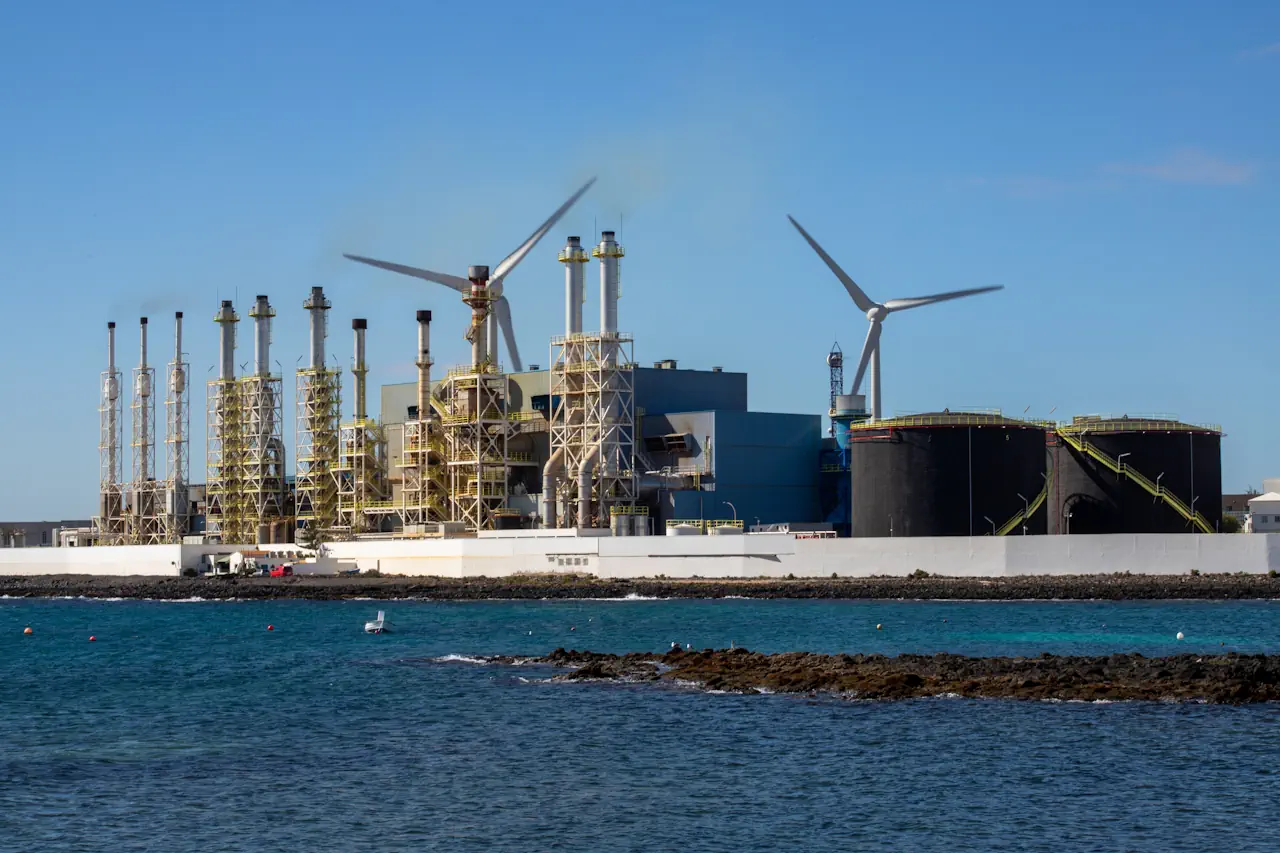
Still, innovation is reshaping the picture. In Spain’s Canary Islands, desalination powered by wind turbines sustains both communities and agriculture. In Morocco’s Agadir region, farmers use desalinated water to irrigate greenhouse crops like tomatoes, reducing stress on aquifers. And in South Africa’s Witsand, a small solar-powered desalination plant shows how renewable energy can make even remote, off-grid systems viable.
The secret lies in context. Desalination for agriculture works best when farms are close to the coast, when renewable energy is available, and when high-value crops justify the costs. Precision irrigation, soil salinity control, and efficient water management can stretch every drop further — turning a costly technology into a sustainable asset.
Ultimately, desalination isn’t about conquering nature; it’s about adapting wisely. When powered by clean energy and paired with smart farming, it can become a bridge — turning oceans of salt into hope for a thirstier, warmer world.
