
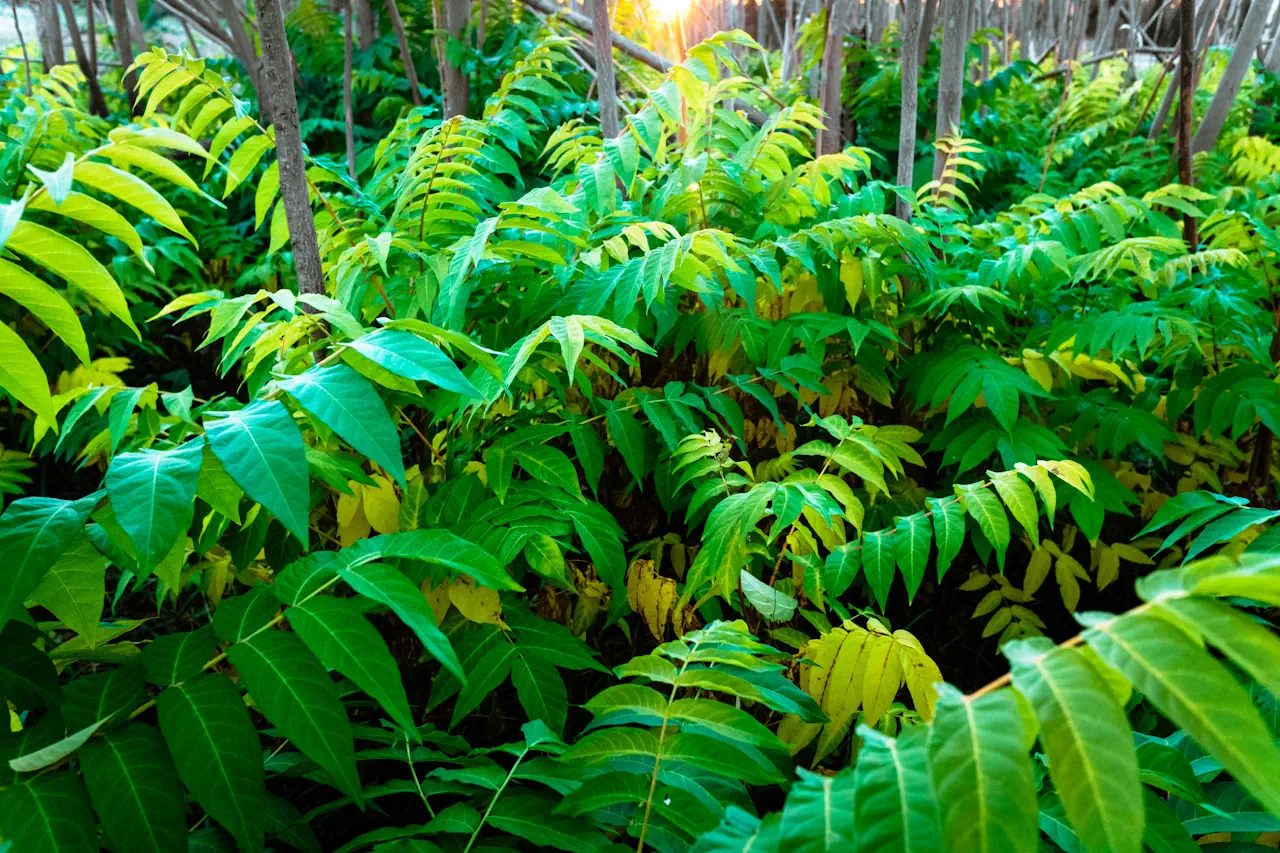

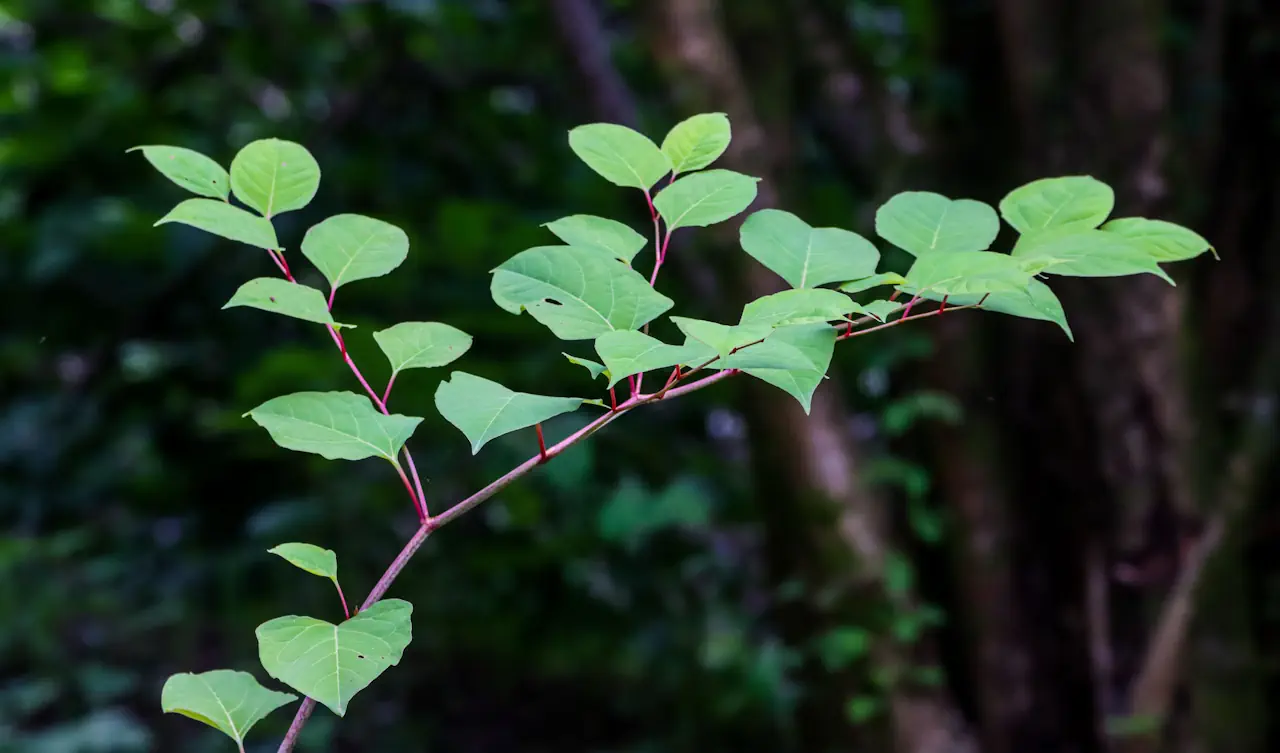

We often view invasive plants as villains — species that overrun native ecosystems, steal nutrients, and disrupt balance. But what if, instead of just labeling them as intruders, we tried to listen to what they are telling us?
In nature, nothing happens without cause. The rise of certain invasive species can be seen as a biological signal, a symptom of larger ecological imbalances. When native plants begin to vanish and hardier outsiders thrive, it often points to deeper issues: rising temperatures, soil degradation, altered rainfall, or pollution that shifts the rules of survival. In this sense, invasive plants are not only competitors — they are messengers.
Take the spread of salt-tolerant or drought-resistant weeds across coastal or arid regions. Their dominance might be interpreted as nature’s response to salinization or climate-induced water scarcity. Likewise, the success of nitrogen-loving plants in urban and agricultural zones reflects excess fertilizer use and nutrient-polluted soils.
If we mimic nature to find scientific solutions — through biomimicry, regenerative design, or adaptive technologies — perhaps we should also mimic her way of signaling distress. Invasive species could serve as bio-indicators, early warnings of environmental decline. Listening to them might reveal where the planet is hurting before the damage becomes irreversible.
So next time we encounter an invasive plant spreading along a roadside or riverbank, maybe we should ask not only “How can we remove it?” but also “Why is it thriving here?”
Because in the language of ecology, even weeds have something to say.
