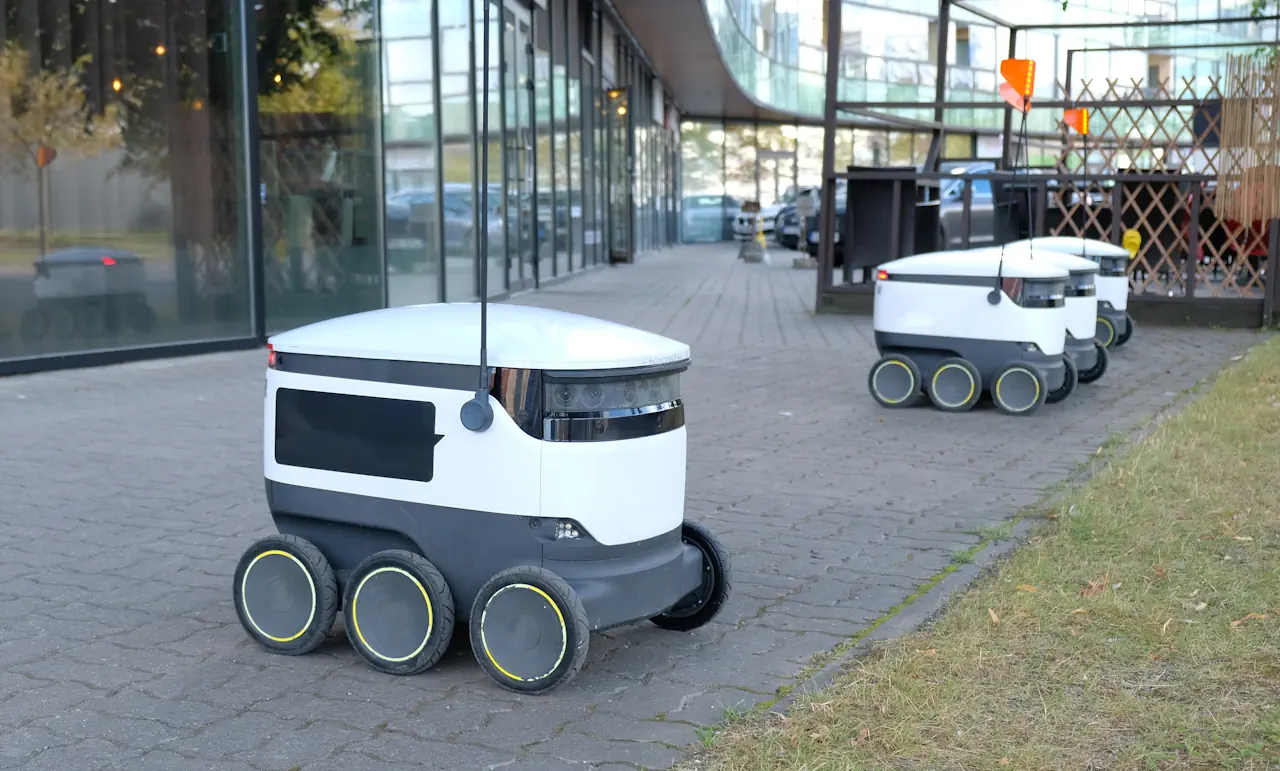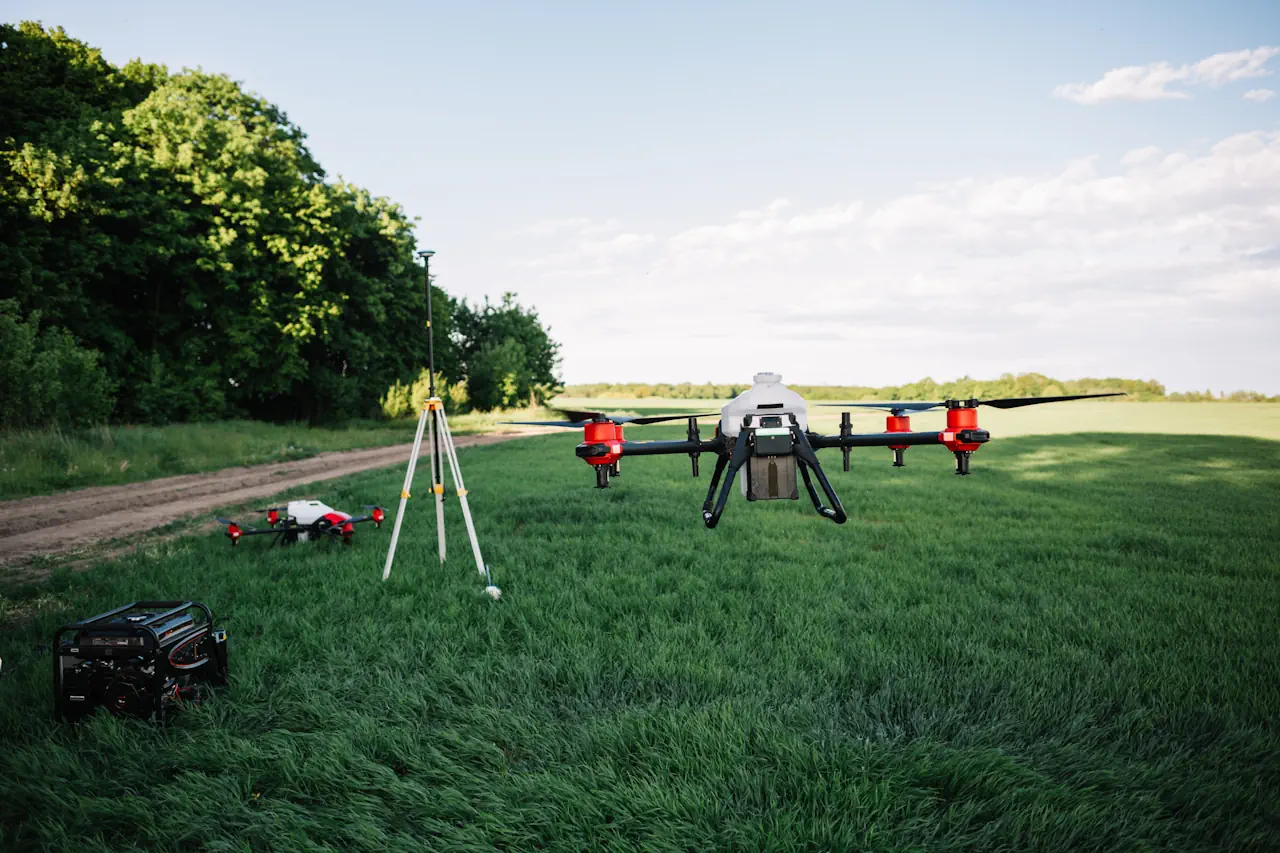
Across the world, a silent transformation is unfolding in agriculture. Autonomous farm robots—once a vision of distant futurism—are now entering orchards, vineyards, and fields. They till, seed, weed, spray, and harvest with growing precision, powered by artificial intelligence and sensor networks. Their rise reflects not only technological progress but also a response to deep social and environmental shifts.
One of the strongest forces driving this change is the ageing rural population. In many countries, the average age of farmers exceeds fifty. Younger generations often turn away from farming, drawn to urban life or digital economies. Robots are stepping in where human hands are fewer, offering the promise of maintaining food production while reducing the physical burden on ageing farmers. They can work through the night, monitor soil health, and make data-driven decisions that were once left to intuition.
Globally, autonomous farming is evolving rapidly—from Japan’s rice-paddy robots to Europe’s lightweight electric tractors and North America’s autonomous harvesters. Technology Readiness Levels (TRLs) for most systems now range from pilot-scale (TRL 6–7) to near-market deployment (TRL 8–9), with advances in machine vision and navigation pushing the boundary further each year. These developments are supported by large investments and public-private partnerships seeking to accelerate sustainable food systems.
The environmental implications are equally significant. Precision robotics can minimize fertilizer and pesticide use, protect pollinators, and prevent soil compaction through smaller, lighter machines. Yet challenges remain: the energy demand of automation, electronic waste, and the risk of technological inequality between large and small farms must be addressed through responsible innovation and fair access policies.
Ultimately, autonomous farming robots are more than machines—they are symbols of adaptation. They bridge the gap between tradition and technology, ensuring that agriculture can remain productive, resilient, and environmentally conscious even as rural populations age and the planet faces growing demands.

By C4Sus Team